

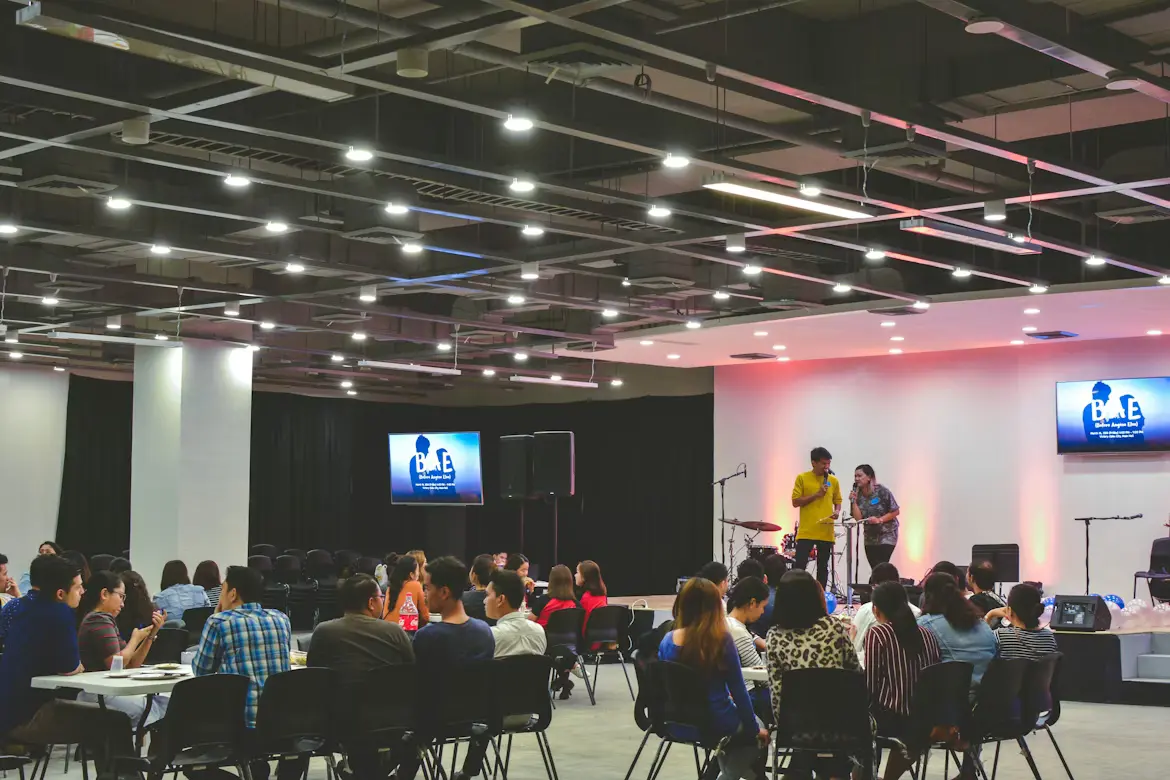
Event management is the strategic process of turning an idea into a well-coordinated experience. Whether it is a corporate meeting, a brand activation, or a digital seminar, events are not coincidental, but rather well thought out, organised, and carefully planned. Understanding how event management functions helps ensure that no details lose their context or meaning, while adding value for attendees, and adds value to the people attending.
Defining Event Management
Event management entails the facilitation of all phases of an event, including the formation of the idea and the conclusion of the event. It is creative as well as organized, and professionals need to coordinate schedules, personnel, logistics, money, and technology. Although some individuals consider it event planning, event management extends to actual execution and post-event analysis.The events nowadays are of various types, such as physical, virtual, and hybrid. Every format will require a unique approach, though the end goal remains the same: to deliver a smooth and enjoyable experience for everyone.
Setting the Direction Early
The purpose of any event is the first stage in its management. An event goal provides a clear direction for all the decisions that are made. It provides answers to such vital questions as the audience, the definition of success, and the way the event must be organized. Without a specific goal, even the most visually impressive elements may fail to make an impact. After the goal has been established, the planners will be able to decide on the scale, format, and tone of the event. This is to avoid scope creep, and it will be consistent all across the planning process.
Budgeting with Precision
One of the most difficult aspects of event management is financial control. Effective event budget management encompasses the estimation of event costs, the wiser allocation of funds, and the expense monitoring of the event against its lifecycle. Whether it is the venue rentals and marketing activities, or technology solutions and staffing, all expenses will have to be vindicated against the objectives of the event.
An effective budget not only ensures that one does not spend beyond what is required of them, but also can be flexible in cases where some unforeseen requirements are discovered. Strict financial monitoring planners have an advantage in making choices under pressure.
Coordinating Locations and Vendors
The experience of the event is founded on the proper choice of venue. Accessibility, capacity, layout, and technical infrastructure are some of the factors that significantly influence the selection of the location. After settling the venue, the focus changes to acquiring credible partners.
Event managers need to carefully select event vendors who are capable of providing quality services within the stipulated time and budget, a process best handled by an experienced Dubai event management company.
Such partners could be catering companies, sound and light technologists, decorators, and logistics companies. Effective communication and well-articulated contracts are key to getting all geared in the direction of the same goal.
Building Engagement Through Promotion
Attendance and participation are very important in the success of an event. The aim of the promotion strategies is to create interest and convey value. It usually involves a specific event site, email marketing, and social media promotions. All channels should also be used in messaging with consistency to establish the identity of the event.
At this point, agenda shaping and advertising of speakers or special sessions is also initiated by planners. Timely publicity creates anticipation and assists those who may attend the event to determine whether the event is of interest to them or not.
Creating Meaningful Event Experiences
Engaging event content is what attracts attendees and keeps them entertained. The sessions, workshops, discussions, or demonstrations must be audience-oriented and purpose-oriented according to the nature of the event. Informative, interactive, and well-structured content creates a long-lasting impression and prompts future engagement.
Considerable timing, proportionality of session duration, and networking are additional contributors to a better experience. Content planning does not simply mean filling time slots; it means creating value.
Managing the Event in Real Time
Preparation comes together with the execution on the day of the event. Planners handle logistics, workforce coordination, schedule management, and handle arising issues promptly. At this phase, attention to detail and the capacity to adapt to pressure are important.
There are many professionals who use event management software to make their operations easier. Such types of tools assist in centralizing communication, registering people, managing agendas, as well as for performance data analysis. Technology lowers the amount of manual work needed by the planners to concentrate on providing a smooth experience to the attendees.
Measuring Success After the Event
Evaluation commences as soon as the event is over. The comments and reviews of the participants, the statistics of the performance, and the financial performance give useful information as to what is going right and what can be done better. This analysis benefits in refining future event strategies and ensures they are always improving.
Event management is all about creating purposeful experiences. Events can be one of the most significant connectors, communicators, and influencers when organized intelligently and implemented effectively. Reach out to Lejion Media if you’re looking for a trustworthy event management company. We’re experienced in this industry and know how to customize our services according to your requirements. Book your appointment to know more!